Health Elixir: Prunes, Tahini, Walnuts, Cinnamon, Saffron and Rose Water
Health Elixir: A Comprehensive Chemical and Temperament Review of a Mix of Prunes, Tahini, Walnuts, Cinnamon, Saffron and Rose Water
Eating this mix on an empty stomach in the morning is a very sensible way to support cellular nutrition and to regulate the body’s basic fluids (the humours). In this mix, modern science and the wisdom of traditional medicine work hand in hand to create a true “food-remedy”.
Part One:
The Anatomy of the Ingredients (Chemistry and Temperament)
To understand the strength of this mix, we first need to know what each ingredient brings to it:
1. Prunes
Key compounds: sorbitol (a sugar alcohol that gets the bowels moving), phenolic acids (neochlorogenic acid), soluble fibre (pectin), potassium and boron.
Temperament in traditional medicine:
Cold and moist. (Cools the heat of the liver and clears yellow bile, but eaten on its own it can weaken stomachs with a cold temperament.)
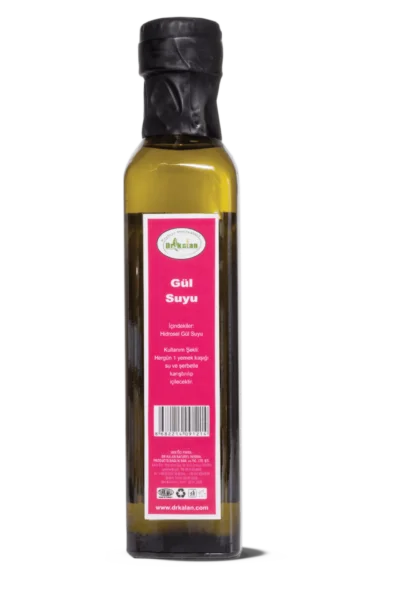
2. Natural Rose Water
Key compounds: phenolic compounds, flavonoids (quercetin), and terpenes with anti-inflammatory and nerve-calming effects (such as citronellol and geraniol).
Temperament in traditional medicine: Balanced (leaning hot and moist). (Calming, strengthens the heart and nervous system, balances extreme temperaments.)
3. Saffron
Key compounds: crocin (the colour pigment and a powerful antioxidant that protects the liver and heart), safranal (the aroma compound that stimulates the brain’s “happy” hormones) and picrocrocin.
Temperament in traditional medicine: Hot and dry. (Uplifting, clears blockages, carries the benefits of remedies to the heart and blood vessels.)
4. Ceylon Cinnamon
Key compounds: cinnamaldehyde (regulates insulin sensitivity and metabolism), proanthocyanidins and eugenol (antimicrobial and anti-inflammatory).
Temperament in traditional medicine: Hot and dry. (Removes excess moisture, warms the stomach, speeds up circulation.)
5. Tahini (Sesame Paste)
Key compounds: lignans (sesamin and sesamolin), omega-6 and omega-9 fatty acids (oleic acid), calcium, magnesium, copper and plant-based iron.
Temperament in traditional medicine: Hot and moist. (Energising, blood-building, lubricates the bowels and increases physical strength.)
6. Walnuts
Key compounds: alpha-linolenic acid (ALA, the plant form of omega-3), ellagitannins, gamma-tocopherol (vitamin E) and natural melatonin.
Temperament in traditional medicine: Hot and dry. (Strengthens the brain, reduces swelling, increases the body’s natural warmth.)
Part Two:
The Overall Temperament of the Mix (Synergy and Balancers)
When these six ingredients come together, something special happens. The strong coldness and moisture of the prunes are fully kept in check (“tamed”) by the heat and dryness of the walnuts, cinnamon and saffron. In turn, the dryness of the spices and walnuts is balanced by the oils in the tahini and the light moisture of the rose water.
The final temperament of the mix:
Hot and balanced (with a controlled, light moisture).
Conclusion: As long as it is not overdone, this mix is entirely safe, easy to digest and healing for all temperaments — including choleric people (as long as they don’t overdo the cinnamon and walnuts) and phlegmatic people (who won’t feel the coldness of the prunes, thanks to the saffron and cinnamon).
Part Three:
Clinical Benefits for the Body’s Systems
1. Digestive System and Liver (Cleansing and Regulation)
Chemical view: The sorbitol in prunes draws water into the bowels and, together with the oils in tahini and walnuts, softens the stool. The crocin in saffron protects liver cells against fatty liver, and the cinnamaldehyde in cinnamon regulates how quickly the stomach empties, preventing food from fermenting (and causing gas).
Traditional view: Thanks to the prunes, this mix takes away excess heat from the liver while (thanks to the cinnamon and saffron) keeping the stomach warm and strong. Constipation, known in traditional medicine as “the mother of diseases”, can be eased with this gentle, warming mix without causing stomach cramps.
2. Brain and Nervous System (Calm and Focus)
Chemical view: Safranal (saffron) and geraniol (rose water) stimulate the release of dopamine and serotonin. The omega-3 in walnuts makes nerve cell membranes more flexible, and their melatonin helps regulate the sleep cycle.
Traditional view: Saffron and rose water are among the most powerful “uplifting” remedies (mufarrih). This breakfast helps lift morning tiredness, low mood and mental fog.
3. Heart and Blood Vessels (A Healthy Heartbeat)
Chemical view: The sesamin in tahini and the omega-3 in walnuts reduce inflammation in blood vessel walls. The potassium in prunes helps balance blood pressure, and saffron’s antioxidants prevent the oxidation of “bad” LDL cholesterol.
Traditional view: Saffron is known for “opening” blocked vessels and directing clean blood to the heart, while rose water is regarded as a heart tonic.
4. Bones and Muscles (Strength and Flexibility)
Chemical view: For the calcium that is plentiful in tahini to be absorbed into the bones, it needs magnesium (found in tahini and walnuts) and the vital element boron (found in prunes). This mix is a complete bone-building package.
Traditional view: Joint pain is usually caused by a build-up of cold and moisture (phlegm) in the joints. Cinnamon, walnuts and saffron dry out this excess moisture and ease joint pain.
5. Skin and Hair (A Glow from Within)
Chemical view: The vitamin E in walnuts, the flavonoids in rose water and the vitamin C in the mix protect the collagen in your skin from free-radical damage. The copper in tahini helps prevent premature greying.
Traditional view: Healthy skin depends on a healthy liver and bowels. As constipation eases and the liver is cleansed, dark patches and blemishes fade and the complexion brightens.
References:
1. Stacewicz-Sapuntzakis M. Dried plums and their products: composition and health effects—an updated review. *Crit Rev Food Sci Nutr*. 2013;53(12):1277-1302.
2. Boskabady MH, Shafei MN, Saberi Z, Amini S. Pharmacological effects of *Rosa damascena*. *Iran J Basic Med Sci*. 2011;14(4):295-307.
3. Moshiri M, Vahabzadeh M, Hosseinzadeh H. Clinical Applications of Saffron (*Crocus sativus*) and its Constituents: A Review. *Drug Res (Stuttg)*. 2015;65(6):287-295.
4. Ranasinghe P, Pigera S, Premakumara GA, Galappaththy P, Constantine GR, Katulanda P. Efficacy and safety of ‘true’ cinnamon (*Cinnamomum zeylanicum*) as a pharmaceutical agent in diabetes: a systematic review and meta-analysis. *Diabet Med*. 2012;29(12):1480-1492.
5. Poulose SM, Miller MG, Shukitt-Hale B. Role of walnuts in maintaining brain health with age. *J Nutr*. 2014;144(4 Suppl):1615S-1622S.
6. Aghili Khorasani, Mohammad Hossein. *Makhzan al-Adwiya*. Tehran: Tehran University of Medical Sciences Press; 2009. (A reference on herbal pharmacology in Persian traditional medicine.)
7. Arzani, Mohammad Taqi. *Mofarrah al-Qoloub*. Tehran: Institute for the History of Medicine and Islamic and Complementary Medicine; 2010.
Do you know your temperament?
Which foods and herbs suit you depends on your temperament. The free test takes just a few minutes.
Take the temperament test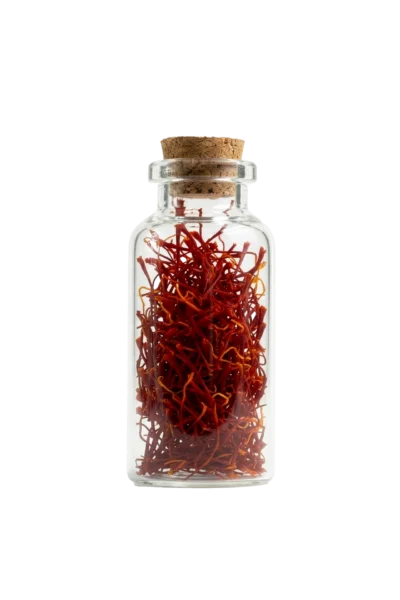
Please note
This article is for information only and is based on traditional medicine sources and general nutrition knowledge. It is not a medical diagnosis, treatment or prescription and does not replace an examination by a doctor. If you have a complaint, take regular medication, are pregnant, or are considering this for your child, talk to your doctor before changing your diet or using herbs. Herbal products can interact with medicines.